Fire wardens sit at the crossway of safety, leadership, and calm under pressure. When a smoke alarm journeys, people transform to anyone wearing the hat or safety helmet that signals authority. That self-confidence is made long before the alarm, inside training areas, stairwells, and simulated emergencies. The concern most organisations duke it out is no more whether to train wardens, but how. On-line shipment promises scale and ease. In person training promises realistic look and muscle mass memory. Both can function, however they do not create similar outcomes.
I have actually educated wardens in workplaces, health care facilities, institutions, storage facilities, and remote worksites. I have actually enjoyed qualified team leaders ice up when the lights lowered and the "smoke" maker rolled, then recoup and lead an organized emptying since their training had prepared them for uncertainty. I have actually additionally seen peaceful managers take to on the internet components, research study after hours, and get to a useful session with sharper understanding than colleagues who count exclusively on class slides. The key is to match shipment to risk, website complexity, and roles such as chief warden and interactions officer.
This post unboxes the trade-offs in between online and in-person fire warden training, including PUAFER005 and PUAFER006 courses, and checks out exactly how each choice affects performance on the day it counts.
What adjustments when training goes online
Online fire warden courses scale easily. A national business can register 200 team within a week, covering the theory of alarm system kinds, discharge approaches, human behavior in emergency situations, and warden recognition systems. Properly built e-learning, with circumstance questions and short evaluations, has a strong performance history on knowledge retention. People can stop briefly, replay, and revisit complex topics like dynamic horizontal emptying or using wardens in multi-tenanted buildings.
The limits turn up where the work demands more than understanding. Fire wardens and chief wardens need voice control, radio discipline, and a feeling of spatial understanding that online components struggle to replicate. In an actual evacuation you deal with undependable information, tension, and ambient noise. You hardly ever get excellent data, yet still need to choose whether to shelter in place for a smoke movement problem or clear the flooring through a second exit due to the fact that the main stairwell is compromised.
Online training can open up minds and established expectations. It can also leave a space if it is not paired with hands-on practice. The best end results I see from on the internet delivery occur when individuals comply with up with live drills or a short in person workshop to walk the routes, technique messages, and debrief in the actual environment.
What in person training accomplishes that online cannot
In-person sessions bring body language and building context right into the understanding. When I run a PUAFER005 operate as part of an emergency control organisation workshop on site, we walk the evacuation courses, recognize pinch points near stair doors, and test how much time it takes for the last person on a flooring to get to the assembly area. We exercise moving around mobility-aid users and go over the role of sanctuary points and friend systems. These discussions are pragmatic and building particular. They transform common treatments right into a psychological map people can trust.
For PUAFER006 lead an emergency control organisation, the difference is even sharper. The chief warden's work is a choreography of choices: confirming alarm panel info, designating wardens to floors, communicating with the fire service, logging progression, and deciding when to quit a drill or continue a genuine emptying. Minute-by-minute sequencing matters. Radio traffic technique issues. Calm tone and clear language prevents echo chambers of stress and anxiety. You can run radio simulations online, however it is not the same as calling out "Alpha Team clear Degree 8, relocating to Level 9," while the rest of the structure empties past you.
Face-to-face training also exposes individuals to small accidents they would certainly otherwise initially experience throughout a real occasion. Radios lack charge. A fire door sticks. The alarm system tone is various from the one in the e-learning. Somebody gets rid of a fire warden hat and leaves it at reception. These little failures, caught in training, produce durable teams.
Mapping training to competency outcomes: PUAFER005 and PUAFER006
Australia's emergency situation control organisation units make a practical distinction between operating as part of the team and leading it.
PUAFER005 course - run as component of an emergency control organisation focuses on the fire warden function: sweeping zones, assisting evacuees, identifying dangers, and reporting to the chief warden. Practical competence includes examining the nearby leave and alternate departure, understanding neighborhood risks such as lithium-ion battery storage space, and confirming that susceptible owners get assistance. An on the internet part can cover responsibilities, alarm system phases, and reporting procedures well. But a website walk transforms abstract knowledge right into instinct.
PUAFER006 course - lead an emergency control organisation covers chief warden responsibilities: launching reactions, working with floor wardens, liaising with emergency situation services, and chief warden hat colour keeping the big photo while others focus on their zones. The very best PUAFER006 lead an emergency control organisation results come from blended delivery. Pre-course on-line understanding establishes the structure, after that an in-person command message simulation tests decision-making. I have seen solid entertainers run 2 accelerants simultaneously: they chat plainly on the radio and intermittently step off the panel to reassess, since displays can sidetrack from the fact of smoke sheets or group movement.
A combined approach does not require to be made complex. One hour online to freshen concept, after that a 90-minute functional with radios, a walk-through, and a brief debrief will raise expertise levels chief warden meaningfully.
Compliance and the real-world bar for competence
Fire warden needs in the office differ by jurisdiction, building course, and industry danger. Many requirements expect an emergency warden structure scaled to constructing size and complexity, with normal practice and regular refreshers. The paper checklist is not the real bar. The actual bar is whether your team can execute.
Fire warden training requirements often define routine refresher training, with drills a minimum of each year and, in higher-risk settings, extra regularly. For essential framework, hospitals, and complicated multi-tenanted websites, six-monthly exercises prevail. A well-designed emergency warden course will certainly teach greater than simply emptying: it will address partial emptyings, alarm system seclusions, post-incident accounting, and re-entry controls. Online training can tick the refresher course box rapidly. Do not allow the ease lure you right into skipping drills. Regulatory authorities rarely argue with real evidence of competence, like logged workout results, debrief notes, and targeted follow-up training.
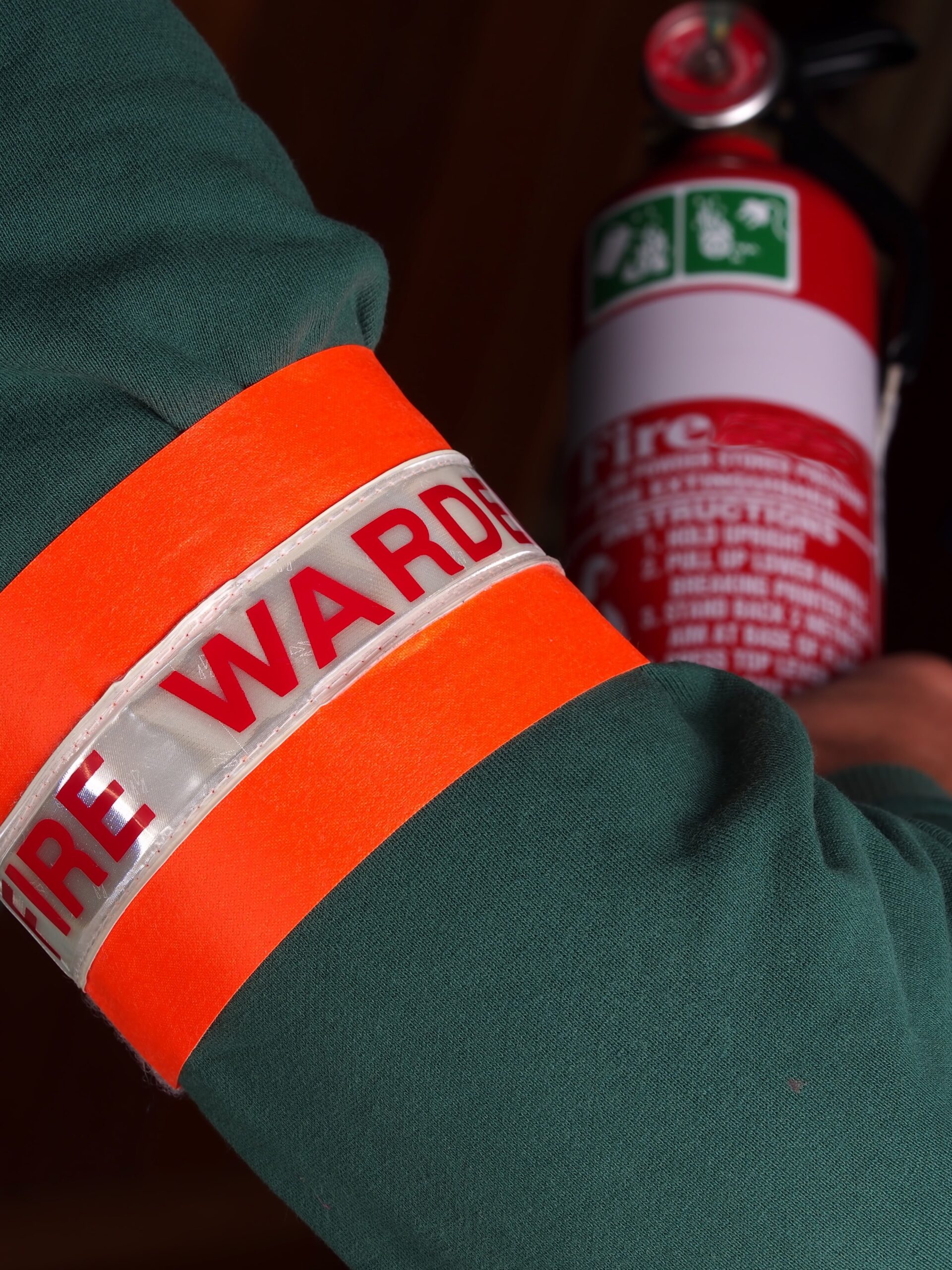
As for the information people love to question: fire warden hat colour is generally red for wardens, with the chief warden hat frequently white. Where safety helmets are made use of, the exact same convention typically uses. If you hear "what colour helmet does a chief warden wear?", the safest answer in Australia is white, backed by lots of business treatments and typical technique. That said, check your site's emergency strategy. Some facilities use vests instead of helmets or hats, and colour coding can vary.
What online training does best
Online shines when you require to move info via an organisation rapidly and continually. Plan changes, upgraded structure representations, new alarm system tones, or additional roles can be shared quickly. Scenario-based e-learning can challenge assumptions, like asking whether to leave or sanctuary when there is a chemical release outside a structure. Individuals who are nervous in a class usually carry out well on-line due to the fact that they can take their time.
One forgot advantage is auditability. Online platforms can provide time-stamped records of completion, analysis scores, and variation control. For multi-site companies, this sustains conformity and insurance policy conversations. For shift-based teams, online components allow completion without disrupting operations.
The limits appear when the building or workforce is complicated. A warehouse with high racking, battery billing areas, and forklift web traffic requires site-specific strategies, not just common concept. The location where online works wonderfully is as pre-learning prior to on-site drills, or as a rapid refresher course after workers changes.
What face-to-face training does best
In-person training is the only reliable means to check routes, radio insurance coverage, and human elements under pressure. It shows wardens to predict their voice without screaming, place themselves at decision points, and make eye get in touch with to soothe nervous staff. It lets chief wardens practice the rhythm of a real event: confirm, brief, release, get, choose, and inform.
During a medical facility exercise last year, we set up a dynamic horizontal discharge drill on a clinical floor. The group found a straightforward bottleneck, a linen cart parked too close to a fire door, which would certainly have impeded bed activity during a real smoke occasion. No amount of on-line training would certainly have disclosed that. We relocated the storage area, upgraded the layout, and changed the warden rundown notes.
Face-to-face training additionally constructs connections. When wardens and the chief warden train together, they learn each other's cadence and handoff choices. Leading in an emergency situation typically comes down to rely on constructed during drills.
The combined version that generally wins
When spending plan and logistics permit, I advise a blend.
Start with an online component that covers the fundamentals of alarm, discharge strategy, human habits, and functions within the emergency control organisation. Include short expertise checks. Then run a short, well-structured useful session on website, with radios, simulated alarm systems, and role assignments. Debrief promptly after, capture lessons, and update the emergency strategy. For PUAFER005, this pairing is enough to create skilled wardens. For PUAFER006, add a 2nd, much shorter command article simulation a few weeks later to seal decision-making and communication.
If you need to pick one setting, choose based on threat and complexity. Basic low-rise workplaces with clear departures can obtain appropriate results from online-only training plus regular drills. Skyscrapers, aged treatment, healthcare, labs, and making websites need to prioritise in-person training a minimum of once in the cycle.

Chief warden assumptions are different
The chief warden role requires more than self-confidence. It requires an understanding of structure systems, from fire indication panels and EWIS to stairway pressurisation and smoke control. Chief fire warden responsibilities include verifying the kind of alarm system, activating or confirming evacuations, working with wardens, taking care of interactions with emergency solutions, and ensuring post-evacuation head counts are resolved. The chief fire warden duties reach documents, consisting of event logs and after-action reviews.
Chief warden training take advantage of scenario complexity. On the internet simulations can set the stage: smoke on Level 12, handicapped lift, incorrect activation in the basement, clashing reports from two wardens. However at the very least some of the learning ought to take place in person before the real panel, with the local treatments and the real radio gear. Chief fire warden requirements typically include experience with the site's emergency strategy and the capacity to short replacement employees. A chief warden course that omits site-specific practice will certainly not prepare somebody for their very first real event.
When somebody asks about chief warden hat colour, it is greater than a facts factor. Clear aesthetic identification reduces role complication throughout drills and occasions. Whether your website utilizes hats, helmets, or high-vis vests, keep the system straightforward, regular, and documented.
Small information that form large outcomes
Fire warden requirements in the work environment are sometimes treated as a checklist. Trained wardens, tick. Signs and layouts, tick. Drill yearly, tick. What moves the needle is friction removal and clarity.
Mark evacuation routes that prevent one of the most common canal. Pre-assign pal systems for owners with wheelchair or sensory demands. Standardize radio language to keep transmissions short and unambiguous. Make sure spare batteries and battery chargers are where they must be. Train on the tones and the public address system so messages are crisp and calm. Little points avoid huge confusion.
I commonly see teams locate the initial verbal statement. Individuals fail to vague messages. Practice clear phrases: "Attention please, we are leaving Degree 6 using the eastern stairwell. Wardens will certainly lead you." Throughout training, repeat news until they sound all-natural. The difference between a reluctant and a decisive message is the distinction between order and drift.
Matching shipment to labor force realities
A spread workforce with service providers, short-term team, and revolving shifts needs flexible training. Online shipment takes care of induction well. Contractors can complete a brief component covering alarm tones, setting up locations, and who to comply with throughout an evacuation. Irreversible wardens can after that do a site-based session.
Language variety matters. Online components can be equated or captioned much more conveniently than a real-time session, which helps understanding. But body movement and on-site presentation bridge spaces in means captions can not. When the labor force includes individuals with different levels of proficiency, prioritize plain language and in-person demonstrations for vital actions.
Remote sites and little teams deal with a various difficulty. The person serving as chief emergency warden might also be a supervisor or website supervisor handling other tasks. In these instances, a concentrated PUAFER006 session, either on site or in a nearby training facility, is worth the traveling. If travel is impossible, pair online theory with an online video clip walk-through, then carry out a site drill led by a regional facilitator while a trainer observes from another location. It is not perfect, however it is better than theory alone.
Time, expense, and the worth of drills
Budget discussions typically contrast the expense per head of on-line versus in-person training. Online will usually be more affordable and much easier to arrange. In-person training takes time out of the day and often needs backfill. Yet the most expensive component of emergency readiness is an unsuccessful response.
Treat drills as component of training, not a separate workout. A brief quarterly drill is more valuable than a lengthy yearly one, specifically for multi-level structures. Paper timing, flow, squeeze points, and any kind of communication issues. Adjust the plan, after that train versus the updated strategy. Over 12 to 18 months, you will see a measurable reduction in emptying times and complication, which equates to reduced danger and smoother regulative interactions.
Answering common concerns that form training design
People usually ask how many wardens a website needs. A sensible guideline is at least one warden per distinct area or flooring, with insurance coverage for leave and shift patterns. Big open areas, labs, or high-occupancy zones might require more. For chief warden protection, select deputies to cover lacks and train them to the very same standard.
What regarding the emergency warden course for a small office? In low-risk atmospheres, a concise warden course covering PUAFER005 results might suffice, with the office supervisor doubling as chief warden after PUAFER006 training. The fundamental part is testing the strategy in the real space.
Do we need hats or safety helmets? Use what your plan specifies and what your labor force acknowledges. Hats or vests assist recognize wardens swiftly. If your site utilizes headgears, keep the system to a simple code such as red for wardens and white for the chief warden hat. The exact accessory issues much less than uniformity and visibility.
A compact choice aid for training leads
- If your site is reduced danger, with uncomplicated departures and a secure workforce, online concept plus normal drills will likely satisfy your needs. If your site is intricate, high occupancy, or high threat, prioritise in-person practicals, especially for PUAFER006 chief warden training. Use combined finding out to obtain the very best of both: online for scalable expertise, on-site for coordination, radios, and building-specific practice. Review drill results, not simply program conclusion. Readjust training based upon actual issues uncovered. Standardise identification, language, and functions so people understand who to comply with and what to claim under stress.
Where the rubber meets the road
On a stormy Wednesday in a CBD tower a few years back, a smoke alarm tripped throughout maintenance on a mid-level floor. The alarm system tone was loud enough to unsettle visitors. The chief warden went live on the PA smoothly, validated the area, and released wardens to examine. A solitary build-up of dirt near a detector had actually activated the occasion. Because the group had actually trained together, the messages were crisp and the wardens understood precisely where to go. People sat tight up until the all-clear, and the flooring was back to normal within minutes. No panic, no thrill to the stairways. That result originated from two things: a clear strategy and method that matched the building.
Training modality is a way to that end. Select the style that gets your individuals to competence, after that validate it with drills and updates. Usage PUAFER005 to develop the backbone of your emergency warden team. Usage PUAFER006 to shape leaders that can route the entire response without losing sight of details. Keep your identification easy so a look tells people who supervises. And keep repeating. Emergencies award preparation, not intent.
Final ideas for safety and security supervisors and HR
When scoping your following fire warden course intake, begin with 3 questions. What is the actual risk account of our site? How complicated is our structure and labor force? What end results do we require to see during a drill 6 weeks after training? If you mount decisions around outcomes, the selection between online and in-person becomes clearer.
Online training courses bring reach, consistency, and strong understanding transfer. In-person training brings realistic look, sychronisation, and self-confidence. A combined pathway, tuned to your website, usually offers the very best results. The objective is simple, though difficult: when the alarm system appears, your emergency warden team and chief warden act like they have been below before. Due to the fact that, in training, they have.
Take your leadership in workplace safety to the next level with the nationally recognised PUAFER006 Chief Warden Training. Designed for Chief and Deputy Fire Wardens, this face-to-face 3-hour course teaches critical skills: coordinating evacuations, leading a warden team, making decisions under pressure, and liaising with emergency services. Course cost is generally AUD $130 per person for public sessions. Held in multiple locations including Brisbane CBD (Queen Street), North Hobart, Adelaide, and more across Queensland such as Gold Coast, Sunshine Coast, Toowoomba, Cairns, Ipswich, Logan, Chermside, etc.
If you’ve been appointed as a Chief or Deputy Fire Warden at your workplace, the PUAFER006 – Chief Warden Training is designed to give you the confidence and skills to take charge when it matters most. This nationally accredited course goes beyond the basics of emergency response, teaching you how to coordinate evacuations, lead and direct your warden team, make quick decisions under pressure, and effectively communicate with emergency services. Delivered face-to-face in just 3 hours, the training is practical, engaging, and focused on real-world workplace scenarios. You’ll walk away knowing exactly what to do when an emergency unfolds—and you’ll receive your certificate the same day you complete the course. With training available across Australia—including Brisbane CBD (Queen Street), North Hobart, Adelaide, Gold Coast, Sunshine Coast, Toowoomba, Cairns, Ipswich, Logan, Chermside and more—it’s easy to find a location near you. At just $130 per person, this course is an affordable way to make sure your workplace is compliant with safety requirements while also giving you peace of mind that you can step up and lead when it counts.